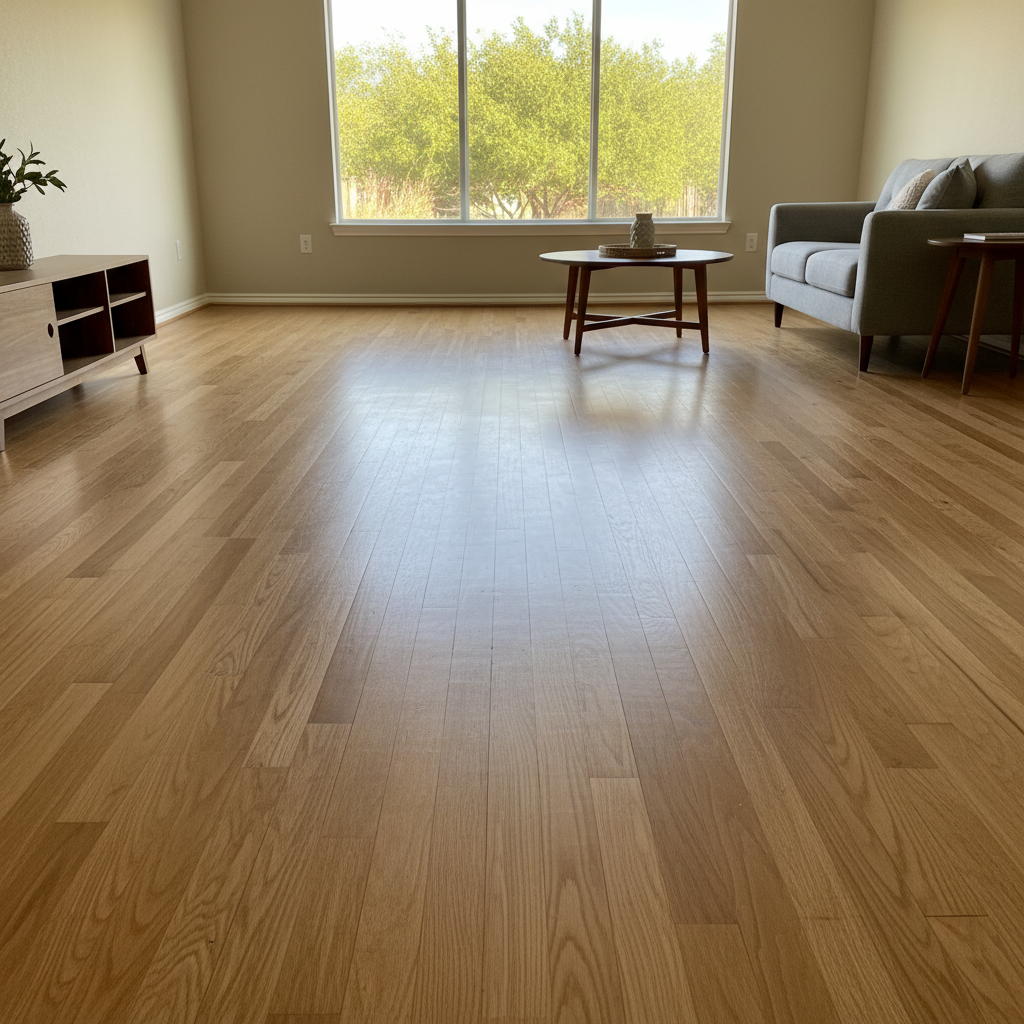
Water on a hardwood floor creates an immediate panic. You see the puddles from a busted supply line or a heavy storm leak, and your mind races to how much money the repair is going to cost. When you start planning the recovery project, it is easy to make quick decisions that lead to major regrets later. Grandview Restoration Service has walked into plenty of homes right here in Cedar Hill where people tried to rush the fix or trusted the wrong advice, turning a manageable repair into a complete replacement.
We will look at what actually goes wrong during hardwood floor water damage projects and how you can dodge these expensive pitfalls in Cedar Hill, TX.
Assuming the Surface Looks Dry Means the Job Is Done
The biggest trap is trusting your eyes. Wood is a porous material that acts like a massive sponge. You can wipe up standing water, run a household fan for a day, and think everything is fine because the surface boards look flat again. Meanwhile, moisture is trapped deep inside the tongue-and-groove joints and down in the plywood or concrete subfloor. Down here in North Texas, our local humidity swings and expansive clay sub-grades mean that hidden moisture lingers longer than you think. If you refinish or seal a floor before the core moisture content drops back to baseline, mold starts growing underneath, and the wood rots from the inside out. A proper project requires digital hygrometers and thermal imaging to map out every pocket of trapped water before a single tool touches the surface.
Skipping Professional Extraction for Quick DIY Fixes
When an indoor flood hits, pulling out a few old towels or a standard shop vacuum feels like taking action. But consumer gear only grabs what is sitting right on top. Water slips between floorboards within minutes. Without commercial-grade extraction systems and specialized panel drying equipment that pulls air through the flooring structure, you are leaving gallons of water pooled against the subfloor. Grandview Restoration Service often gets called in after a homeowner spent a week trying to dry things out with grocery store box fans, only to find the boards buckling upward as the wood expands against tight walls.
Choosing a Contractor Based Solely on the Lowest Bid
When you are staring down property damage, getting multiple quotes is smart, but picking the cheapest bid for hardwood restoration is a gamble you usually lose. Water mitigation requires specialized training and expensive monitoring equipment. Contractors who lowball bids often skip the daily moisture logging, use outdated drying setups, or lack the carpentry skills needed to weave in new tongue-and-groove boards that match your existing layout. Saving a few hundred dollars upfront usually translates to uneven planks, cupping lines that show through new stain, or hidden mold that forces you to rip out the entire room six months later.
- Failing to check if the contractor has specific wood floor drying certifications
- Ignoring the condition of the subfloor beneath saturated planks
- Rushing the sanding and refinishing process before the timber has fully acclimated
Ignoring the Timeline Required for Proper Acclimation
Hardwood cannot be rushed back to normal. Once industrial dehumidifiers and air movers bring the moisture levels down, the wood needs time to stabilize. If a crew tries to sand, patch, and stain damp timber, the finish will bubble, peel, or crack as the wood continues to breathe and shift. Cedar Hill homes face distinct climate conditions that dictate how fast or slow materials dry out. Respecting that natural drying schedule is the only way to ensure your floors stay flat and stable for a long time.